Jidoka and andon: automating means knowing when to stop
Toyota calls it automation with a human touch: the process stops itself when something is abnormal and calls for help. The idea works in an office with paper, and it is also the right rule for AI agents.
A good automation, with or without technology, does not just run faster. It detects when something is wrong, stops before passing the defect on and makes the problem visible to someone who can fix it.
Where the idea comes from
Jidoka is one of the two pillars of the Toyota Production System, together with just-in-time. Toyota describes it as stopping a machine automatically when an abnormality occurs, so that defective products are not made and a person does not have to watch each machine all the time. The Lean Enterprise Institute notes that Toyota's own material translates it as "automation with a human touch".
The origin is a loom. Sakichi Toyoda built looms that stopped by themselves when a thread broke or ran out, instead of continuing to weave defective cloth. One person could then look after several machines, because the machine itself signaled when it needed attention.
Andon: making the problem visible
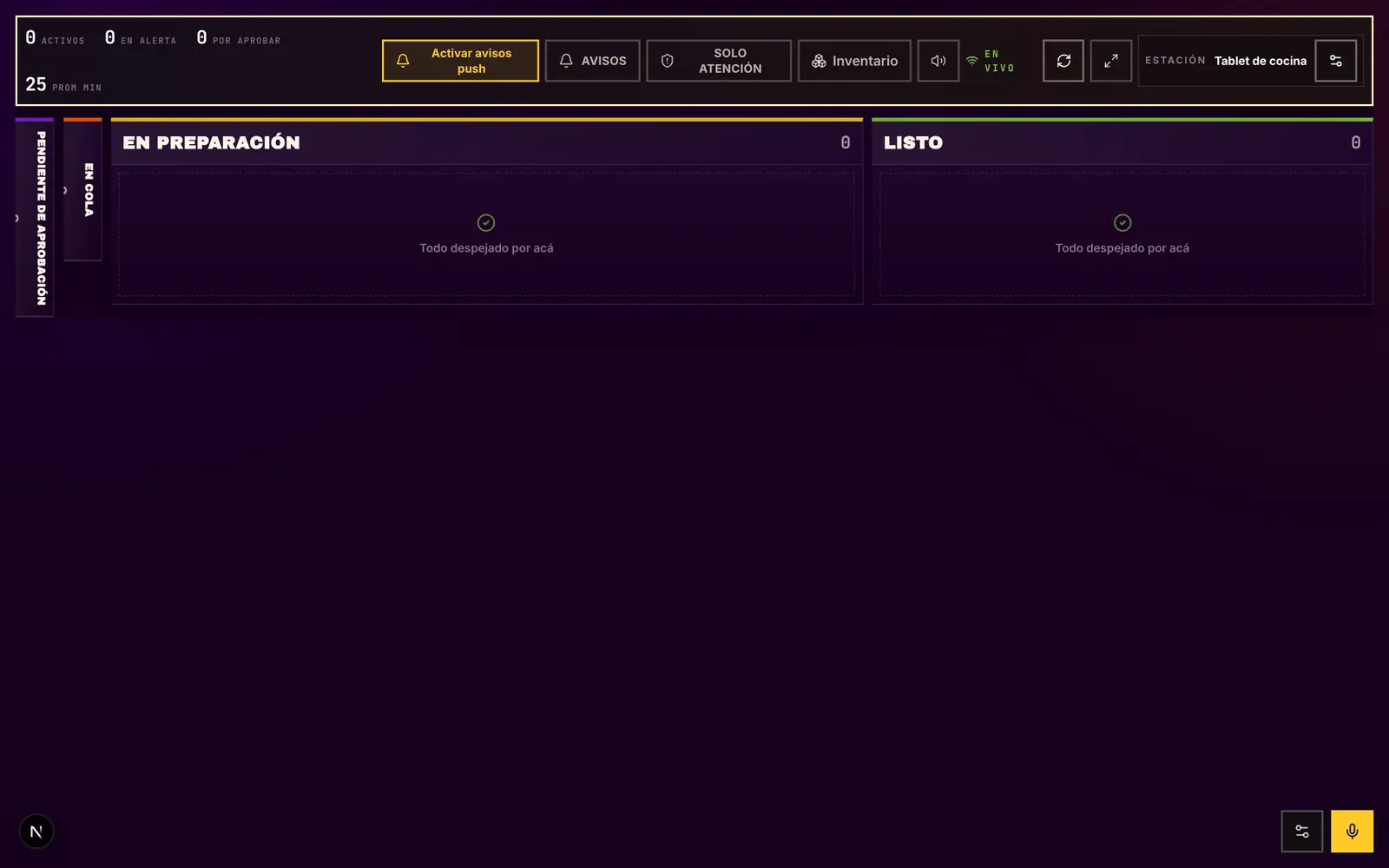
Andon is the signal that goes with jidoka. On a Toyota line, a worker who finds a problem pulls a cord or presses a button, a board lights up and a team leader comes to help. According to the Lean Enterprise Institute, any worker can stop the process when they face a problem they cannot solve within a preset time. The line does not always stop at once: it continues to a fixed position, and the team leader decides whether it stops.
Two things matter here. Stopping is not a punishment, it is how the process asks for help. And the decision to stop belongs to the person closest to the work, not to a report at the end of the month.
Jidoka without technology in an office
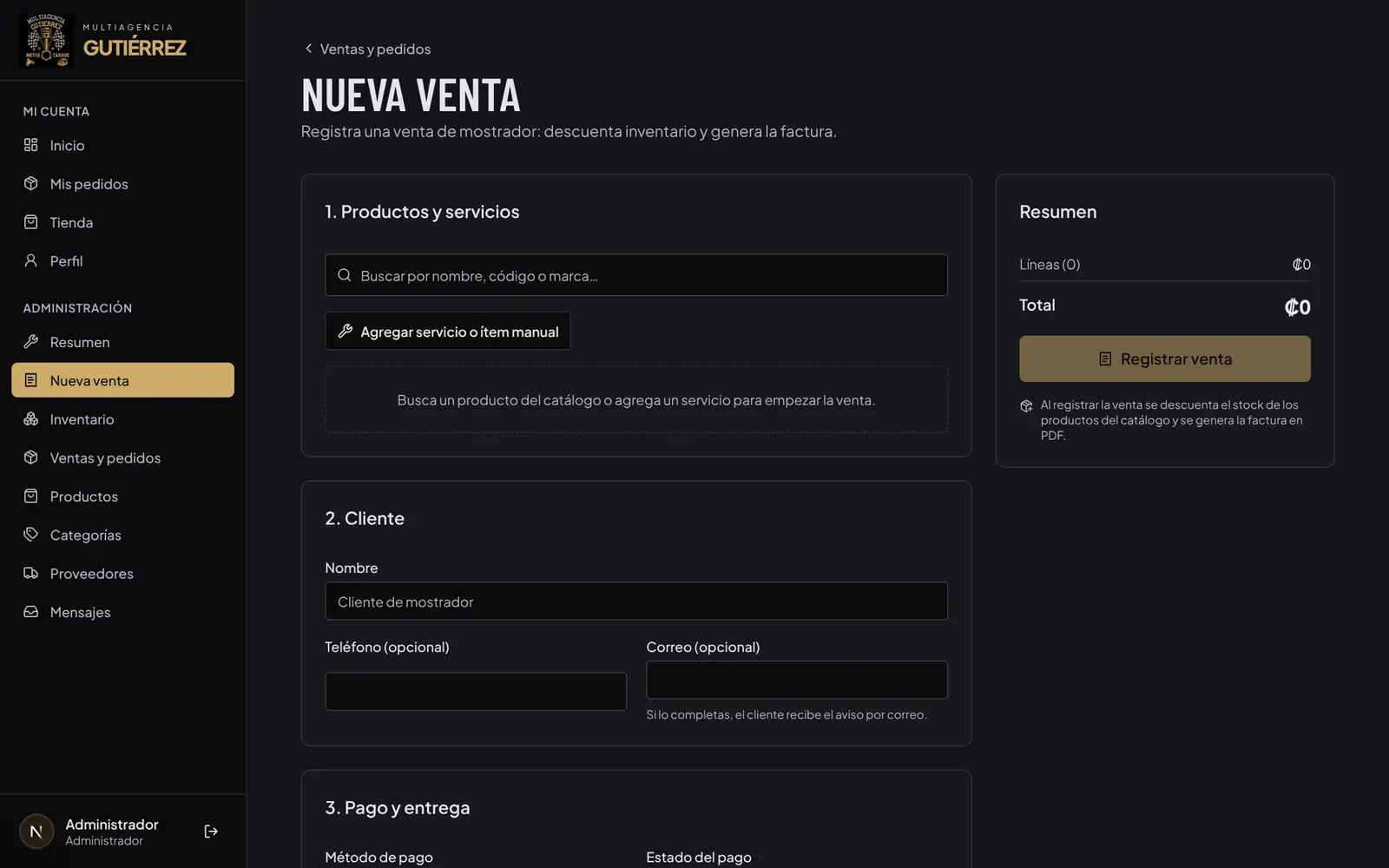
You do not need sensors to apply the idea. You need three things written down: what counts as abnormal, where the work stops and who is called. A red card on the desk, a column called "stopped" on a paper board or a rule that says "do not send the invoice if the order number is missing" are all forms of jidoka.
Synthetic example: a fictional distribution office often dispatches orders with incomplete addresses that come back days later. The team agrees on one rule: if the address lacks a district or a reference, the order goes to a red tray and is not packed. Twice a day the coordinator empties the tray and calls the customer. In the first weeks the tray fills up, which is uncomfortable but useful: it shows where the incomplete data comes from, and that is the problem to fix next.
The tray is not the goal. Each stop should lead to a question about the cause, otherwise the team only gets used to a full tray.
The same rule for AI and software
Software automation and AI agents fail differently from people: they can repeat the same mistake hundreds of times without getting tired. That is why jidoka is a good design rule for them. Before automating a step, define which conditions should stop it, for example a missing field, an amount above a limit or a low-confidence answer, and send those cases to a person instead of letting the flow continue.
If the manual version of the rule already works with a red tray, you have a clear specification for the software: the same conditions, the same stop and the same person who gets the alert. Automating without that rule is how a small error turns into a large one.
Bring the question to your team.
Three questions to explore together. Open one and use it to start a conversation.
01Which defect in your process is usually discovered only at the end, when it is expensive to fix?
Write down a specific situation, listen to another perspective and agree on a small next step. If you would like an outside perspective, we can talk it through.
Discuss with the studio02What would be your "red tray": the place where work waits when something is abnormal?
Write down a specific situation, listen to another perspective and agree on a small next step. If you would like an outside perspective, we can talk it through.
Discuss with the studio03If you automated a step tomorrow, which conditions should make it stop and call a person?
Write down a specific situation, listen to another perspective and agree on a small next step. If you would like an outside perspective, we can talk it through.
Discuss with the studioFurther reading
Public references that explore these ideas further.
What could this look like in your business?
Start with a free 30-minute conversation about your goals and priorities.
Tell us your idea Guide + tool